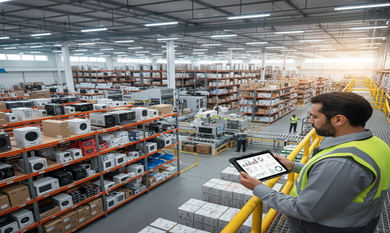
Retail and eCommerce businesses across Dubai are experiencing rapid expansion. Expectations related to same-day delivery, real-time inventory visibility, and efficient order fulfillment are increasing steadily. Supporting these customer-facing outcomes, retail warehouses remain a critical operational backbone. Yet many warehouses continue to operate with disconnected systems, manual tracking processes, and delayed reporting, which can restrict agility and overall efficiency.
This is where the Internet of Things begins to play a practical role. Rather than being a fully realized transformation everywhere, IoT offers retail warehouses a functional pathway toward improved visibility, coordinated operations, and data-driven decisions when implemented with clear intent and structure.
Understanding the Operational Gaps in Retail Warehouses
As order volumes rise, warehouse challenges tend to intensify. Inaccurate inventory records, delayed stock updates, and inefficient picking workflows can directly influence customer satisfaction and increase operational overhead.
Typical gaps include the absence of real-time inventory awareness, limited visibility into asset movement within large storage environments, and slow notifications when stock thresholds or storage conditions shift. In Dubai’s fast-paced retail market, these inefficiencies can quickly affect delivery performance and profit margins.
How IoT Can Support Smarter Warehouse Operations
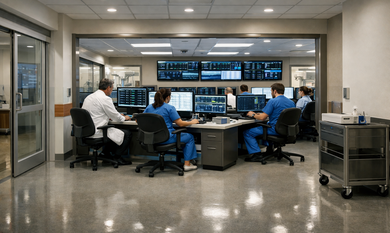
IoT solutions enable retail warehouses to transition toward more connected and responsive operating models. Through sensors, connected devices, and centralized monitoring platforms, data can be collected and analyzed continuously rather than through periodic manual checks.
For instance, sensor-generated data can be transmitted to backend systems developed using scalable frameworks. This is where Node.js development services can play a role by efficiently processing real-time warehouse data, supporting dashboards, alerts, and integrations with existing warehouse management platforms. The objective is not automation alone, but timely insights that allow warehouse teams to respond faster and with greater accuracy.
Potential IoT Use Cases in Retail Warehouses
Autonomous Inventory Sensors
Sensors installed on shelves or pallets can track stock levels continuously, helping warehouses reduce manual inventory counts and minimize discrepancies between system records and physical inventory.
Smart Warehouse Tracking
Connected tracking solutions can monitor the movement of goods across receiving, storage, and dispatch areas. This visibility allows teams to identify process bottlenecks and refine warehouse layouts over time.
Robot-IoT Coordination
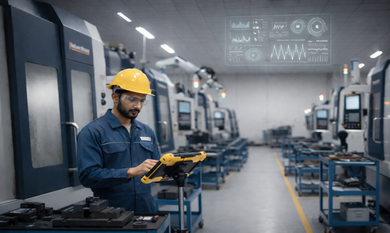
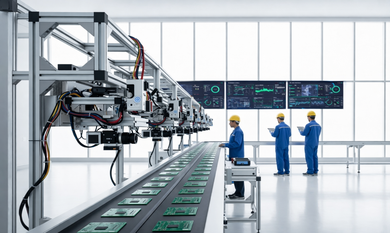
In warehouses utilizing robotic assistance, IoT-enabled coordination helps align robotic activity with real-time warehouse conditions, supporting smoother picking and material handling operations.
Just-in-Time Stock Alerts
IoT platforms can generate alerts when inventory reaches predefined thresholds, reducing the risk of overstocking or stock shortages and supporting more accurate replenishment planning.
Condition Monitoring Devices
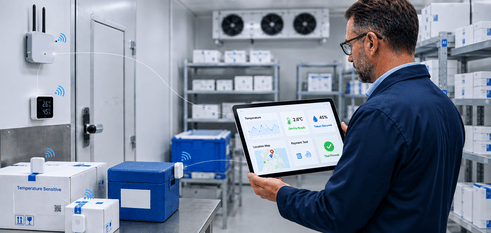
For products sensitive to environmental factors, condition monitoring devices can continuously track temperature or humidity levels and notify teams when conditions fall outside acceptable ranges.
IoT Architecture Considerations for Retail Warehousing
A standard IoT warehouse architecture typically includes sensors and edge devices for data collection, middleware layers for processing and routing information, and dashboards that present insights to operational teams. Cloud platforms are central to enabling scalability and remote system access.
When designed with flexibility in mind, this architecture supports initiatives related to IoT warehouse UAE, smart retail logistics Dubai, connected supply chain management, and automated fulfillment platforms. The emphasis remains on seamless system integration, data security, and long-term adaptability.
Realistic Warehouse Scenarios in the Dubai Retail Context
In a typical Dubai-based retail warehouse, seasonal demand fluctuations can place pressure on inventory accuracy and dispatch speed. IoT-enabled visibility allows warehouse managers to track stock locations and movement rates more effectively.
In multi-location retail operations, connected systems help maintain consistent data across warehouses. This visibility supports improved coordination and enables informed inventory redistribution decisions across locations.
Business Value and Operational Impact
While outcomes vary depending on warehouse scale and complexity, IoT adoption can contribute to measurable operational improvements. These may include improved inventory accuracy, fewer fulfillment delays, optimized space utilization, and better workforce planning.
Rather than relying on assumptions, real-time data allows retail teams to make proactive, informed decisions. Over time, this approach can reduce operational friction and deliver more predictable warehouse performance.
Planning Considerations Before Adopting IoT
Before investing in IoT initiatives, retail organizations should assess their operational readiness. This includes evaluating existing system compatibility, defining data security requirements, and planning for future scalability.
Equally important is change management. Warehouse teams require training and clear processes to ensure that data insights are actively used and correctly interpreted.
Choosing the Right Development Approach for IoT Readiness
There is no universal IoT solution that fits every warehouse. Retail operations benefit most from systems tailored to their workflows, inventory structures, and long-term growth strategies. Custom development helps ensure seamless integration with warehouse management systems, ERP platforms, and analytics tools.
A structured development approach also ensures that data collected today remains valuable as operational needs evolve.
Conclusion
IoT offers retail warehouses a practical path toward improved visibility, coordination, and decision-making without requiring immediate, large-scale infrastructure changes. When implemented strategically, it supports resilient and scalable operations aligned with modern retail demands.
Theta Technolabs brings experience in delivering scalable solutions across Web, Mobile, and Cloud environments, helping organizations evaluate and implement IoT initiatives with a structured, future-ready approach. For retail decision-makers assessing next steps, partnering with an experienced IoT development company in dubai can help clarify feasibility, architecture, and long-term business value.
Talk to Us
If you are exploring how IoT can enhance your retail warehouse operations, Theta Technolabs can help assess opportunities and design scalable solutions. Our expertise spans IoT platforms, web application development, mobile applications, and cloud consulting services.
Reach out to us at sales@thetatechnolabs.com to discuss your warehouse modernization goals.
Frequently Asked Questions
How can IoT improve visibility in retail warehouses?
IoT delivers continuous data from sensors and tracking devices, providing real-time insights into inventory levels, asset movement, and storage conditions.
Is IoT suitable for existing warehouse infrastructure?
Yes, many IoT solutions integrate with existing systems using middleware and APIs, minimizing the need for full system replacement.
What security considerations apply to IoT warehouse systems?
Strong encryption, access controls, and secure cloud integrations are essential to protect operational and inventory data.
How scalable are IoT solutions for retail operations?
Properly designed IoT architectures can scale across multiple warehouses and locations as business requirements expand.
What should retailers evaluate before investing in IoT?
Retailers should examine operational challenges, system compatibility, data readiness, and long-term objectives before adopting IoT solutions.