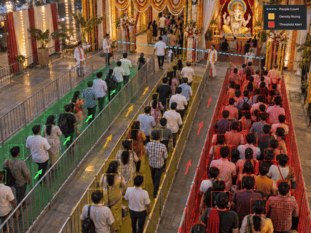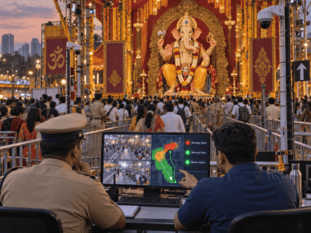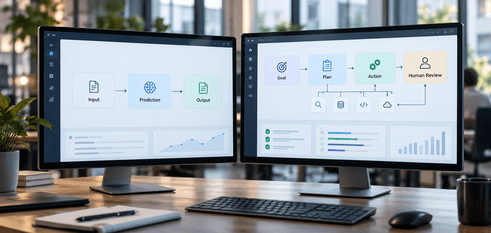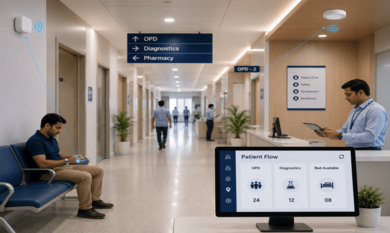


A visitor has forty minutes before the next conference session. There are dozens of exhibitors, several food outlets, and a phone full of event notifications.
Which information will actually help them?
At a busy event, more messages do not necessarily create a better experience. Attendees need relevant choices that account for their interests, available time, and current event conditions.
AI-powered personalisation for events can help organise those choices. Its value comes from connecting recommendations with accurate schedules, availability, and clear user preferences.
Follow One Visitor Through a Busy Afternoon
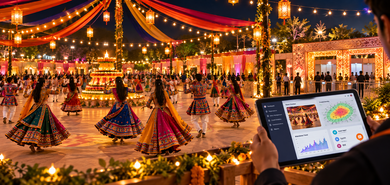
Consider a hypothetical technology exhibition in Ahmedabad.
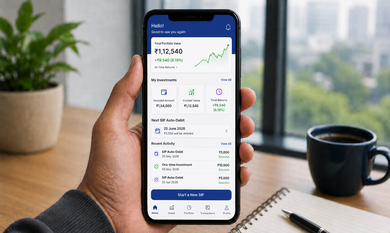
A visitor selects interests during registration and saves two sessions. After attending the first, they open the event app to decide what to do next.
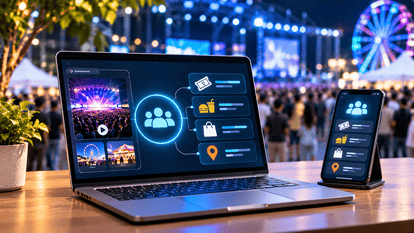
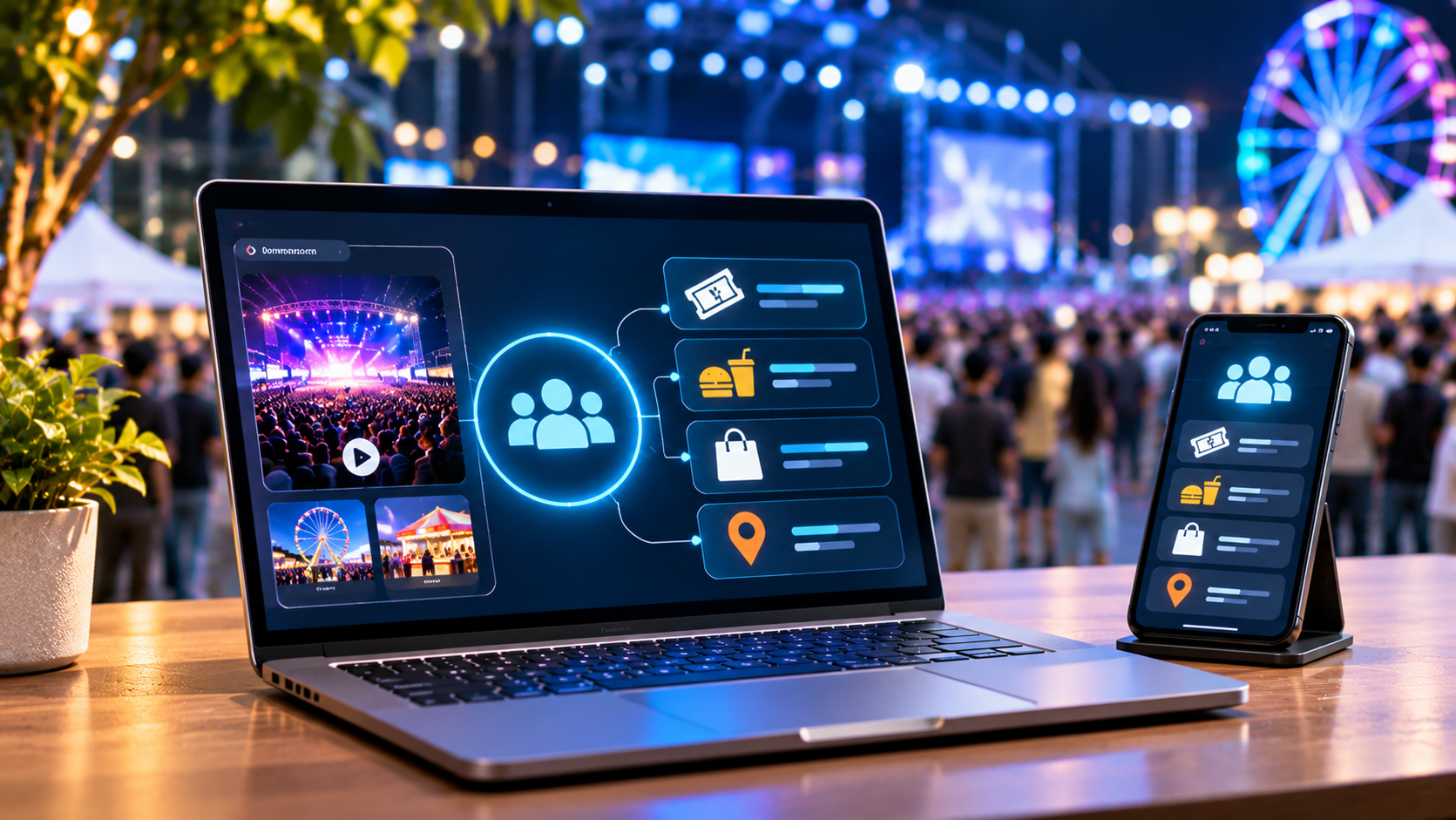
The application could recommend an exhibitor related to their interests, a suitable session starting later, or a nearby facility from an approved venue map.
If the next session changes rooms, the visitor receives an update tied to their saved agenda. They do not need every announcement sent to every attendee.
These personalised event experiences depend on several connected inputs. Interests explain relevance; the schedule explains timing; availability determines whether the recommendation is still useful.
Recommend What Matters, Then Check What Is Available
AI event recommendations can rank sessions, exhibitors, or activities using stated preferences and relevant interactions.
Saving an exhibitor or dismissing a suggestion can provide useful feedback. AWS documentation explains that supported recommendation systems can adapt to recent interactions as user interests evolve. This capability still depends on the system’s configuration and available data.
Relevance alone is insufficient, however. A highly ranked workshop should not appear as bookable when registration has closed.
Combine recommendations with explicit rules for capacity, ticket eligibility, opening hours, and schedule conflicts.
When evaluating machine learning development services, ask how these operational constraints are enforced alongside personalised ranking.
Give New Visitors Useful Choices Immediately
Many attendees arrive without enough interaction history for meaningful behavioural recommendations.
Start with a few optional questions about interests, language preferences, and visit goals. Offer an editable agenda and let visitors browse the complete programme.
For someone attending a business exhibition, the priority might be finding suppliers. Another visitor may want technical demonstrations or networking sessions.
Avoid treating every click as a lasting preference. Someone opening a session description may simply be checking its location.
Give users a way to change interests, dismiss suggestions, and understand why an item appears. Simple explanations such as “Related to your saved sessions” make recommendations easier to assess.
Let Current Conditions Shape the Suggestion
Context-aware recommendations connect personal relevance with what is happening at the venue.
If a session is full, the application could show an available alternative. If a saved activity is postponed, it could suggest another option that does not conflict with the visitor’s agenda.
This requires dependable information from registration, ticketing, scheduling, and venue systems.
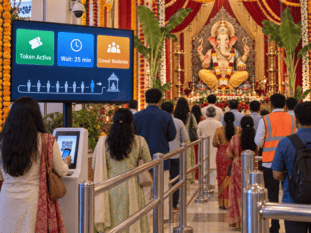
Do not label an estimated queue length as a confirmed wait time. Show when information was updated and avoid presenting stale availability as current.
Location-aware features also need realistic expectations. Indoor positioning may require suitable infrastructure and testing. A user-selected hall or zone may be sufficient when precise positioning adds little value.
Keep Event Guidance Separate From Crowd Safety
Personalisation should operate within venue-approved information and operational limits.
A recommendation engine should not independently direct large groups through restricted areas or override staff instructions. Emergency communications need a separate, authoritative process.
Even ordinary recommendations need coordination. Sending many attendees towards the same “less busy” outlet can make that suggestion outdated.
Use capacity constraints and current operational information when offering alternatives. Give venue staff controls to suspend recommendations, remove destinations, and publish updates.
The practical aim is to help visitors choose among appropriate options while preserving the authority of the event operations team.
Make Notifications Earn the Interruption
Real-time attendee engagement should respect the visitor’s attention.
Personalised event notifications can prioritise a room change, an approaching saved session, or an update to a booked activity. Promotional offers need separate preferences and frequency controls.
Provide notification categories, quiet periods, and a straightforward opt-out. Essential event information should remain accessible without accepting promotional tracking.
Collect only information needed for the stated features. Explain location use, retention, and sharing arrangements clearly, and review applicable privacy requirements.
Sponsors should not automatically receive identifiable attendee activity simply because their content appears in a recommendation. Define those arrangements before launch.
Build for the Moment Everyone Opens the App
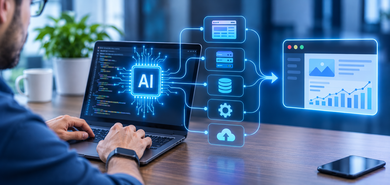
Event app personalisation needs reliable software behind the recommendations.
A session ending can cause many visitors to check their phones simultaneously. Test those peaks alongside ticket scans, bookings, and schedule updates.
Keep essential information available when connectivity weakens. Cached agendas and maps can remain useful, but clearly identify information that may be outdated.
Event app integration should define which system owns schedules, bookings, and attendee preferences. Handle duplicate requests and delayed updates consistently.
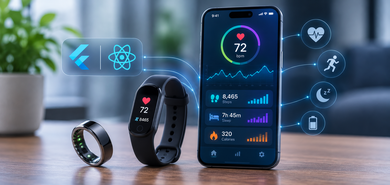
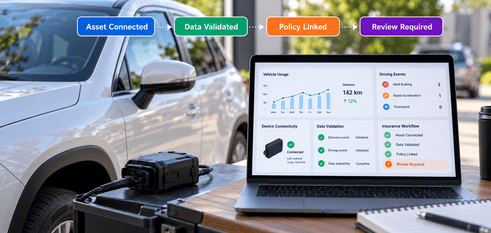
If IoT devices supply occupancy information, assess coverage, accuracy, and freshness separately. Sensor readings need validation before they influence visitor-facing suggestions.
Measure Useful Visits, Not Just Notification Clicks
A recommendation that attracts attention may still fail to help the attendee.
Measure completed bookings, saved sessions attended where appropriately measurable, useful exhibitor discovery, dismissed suggestions, and attendee feedback. Track notification opt-outs and application reliability too.
Compare personalised features with a suitable baseline. Avoid attributing attendance or revenue changes entirely to AI when programme quality, pricing, and marketing also influence results.
When evaluating an AI development company in Ahmedabad, ask how it tests recommendation quality, capacity rules, and peak-load behaviour.
Start with one bounded feature and expand when evidence supports it.
Frequently Asked Questions
1. How does AI improve attendee experience at crowded events?
It can prioritise relevant sessions, exhibitors, and updates using preferences and current event information. Results depend on data quality, integrations, and implementation. AI does not itself guarantee shorter queues or smoother crowd movement.
2. Does personalisation require continuous location tracking?
No. Stated interests, saved sessions, ticket eligibility, and a selected venue zone can support useful recommendations. Introduce precise location only when it serves a clear purpose and the required permissions and infrastructure are addressed.
3. Can personalisation be added to an existing event app?
Often, yes. Assess access to schedules, registration information, preferences, and supported APIs first. A recommendation feature may be added without replacing the complete application, depending on its architecture and vendor restrictions.
4. Can AI recommendations reduce event queues?
They may help visitors discover available alternatives when reliable information supports the suggestion. Queue reduction requires measurement and coordination with operations. Recommendations can also concentrate demand if too many people receive the same alternative.
5. What happens when connectivity becomes unreliable?
The application should retain access to essential cached information and clearly distinguish it from live updates. Define how bookings, notifications, and recommendations behave during interruption and how records reconcile after connectivity returns.
Make the Next Choice Easier for Every Visitor
Personalisation creates practical value when it helps attendees spend their time on experiences relevant to them.
At Theta Technolabs, we provide custom software development across web, mobile, and cloud platforms. Our team can enhance existing event applications, develop new software, and integrate supported hardware with operational systems.
A focused starting point is one visitor journey, accurate information, and a clear measure of whether the experience improves.
Discuss your event technology requirements at sales@thetatechnolabs.com.